

by Alice Fontana
On 20–21 June, an experimental event called “Sōhei” brought together the practice of Zen Rinzai meditation and Atarashii Naginata in the peaceful setting of Shotaiji (Temple of Great Happiness), located in the beautiful Langhe region of Piedmont, Italy, a UNESCO World Heritage Site.
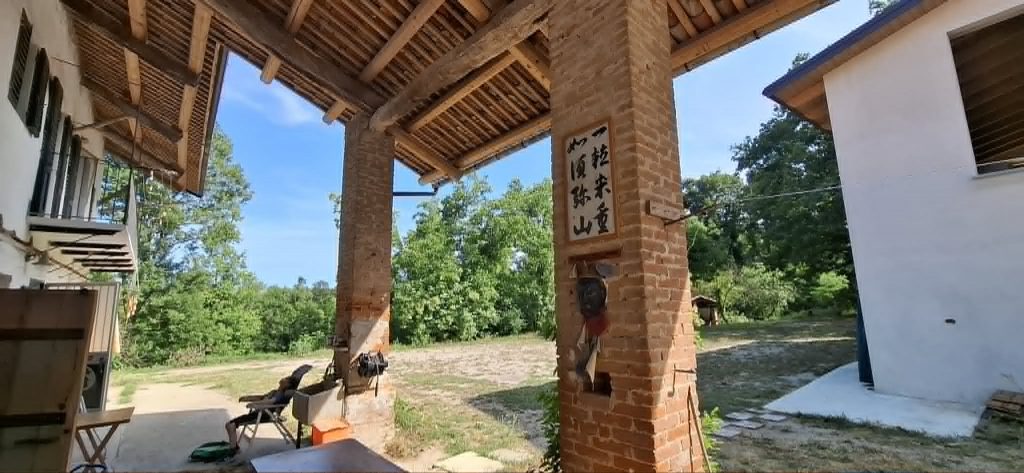
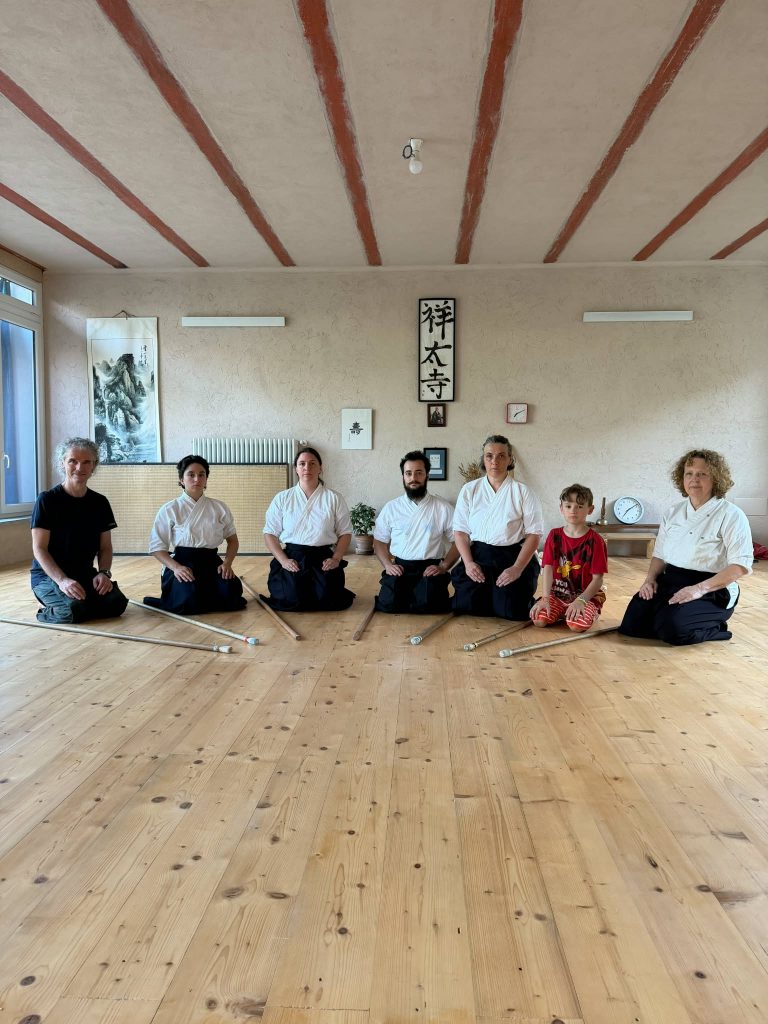
The event was conceived as an opportunity to explore the connections between martial practice and Zen discipline, offering participants a chance to deepen both body awareness and mental presence. Zen activities were led by Mario “Na Mon” Fatibene and Gabriele “Ganto” Simonelli of the Hokuzenko zen Rinzai group, while the Naginata practice was conducted by the members of Shubukan Torino under the guidance of Emanuele Giberna, 3rd Dan. A total of nine participants took part in the event: six Naginata practitioners, two lay zen monks, and one newcomer experiencing both disciplines for the first time.
Saturday: Discovering Zen and Applying It to Martial Practice
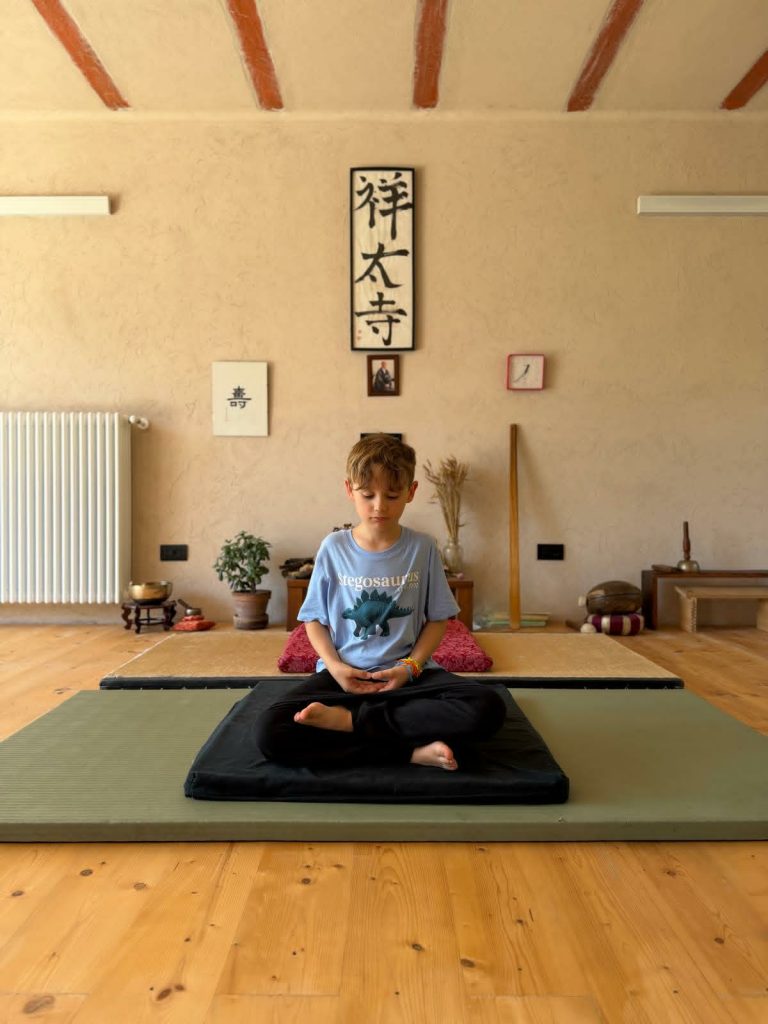
After settling into the monastery and sharing an informal lunch, participants gathered for an introduction to Zen practice. Master Na Mon explained the fundamental principles of Zen and guided the group through a meditation session – the very first experience of zazen for many participants.
Following the meditation, Ganto, a lay Zen monk and 6th Dan Kendo practitioner, delivered a talk on the relationship between Zen and Japanese martial arts such as Kendo and Naginata. He highlighted the importance of breathing and concentration, the value of perceiving one’s opponent internally rather than relying solely on visual observation, and the need to avoid becoming trapped by expectations, prejudices, or fears and focusing on the here and now.
In the afternoon, Emanuele led an outdoor Naginata practice focusing on kihon, shikake-oji, and kata, encouraging participants to apply the concepts explored during the Zen sessions directly to their martial training.
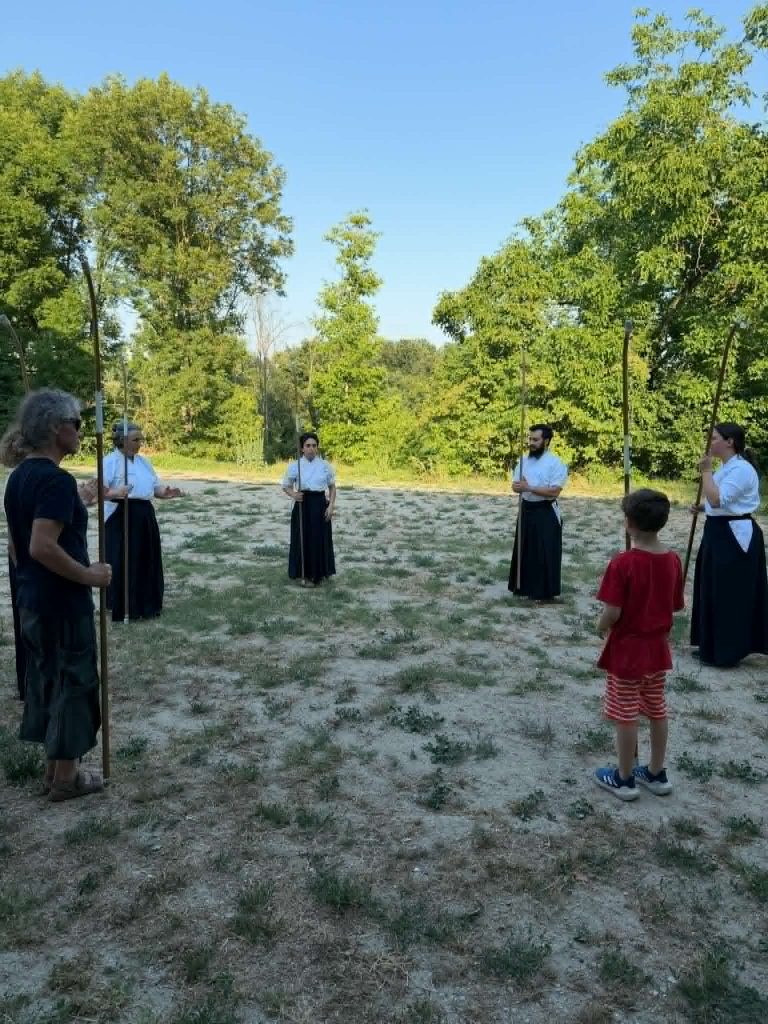
The day concluded with a convivial dinner at the Open Garden Baladin, a renowned local craft brewery. Upon returning to the monastery, participants were welcomed by the glow of fireflies and the calls of owls echoing through the surrounding countryside, adding a memorable touch to the atmosphere of the retreat.
Sunday: Dawn Practice and Shared Reflections
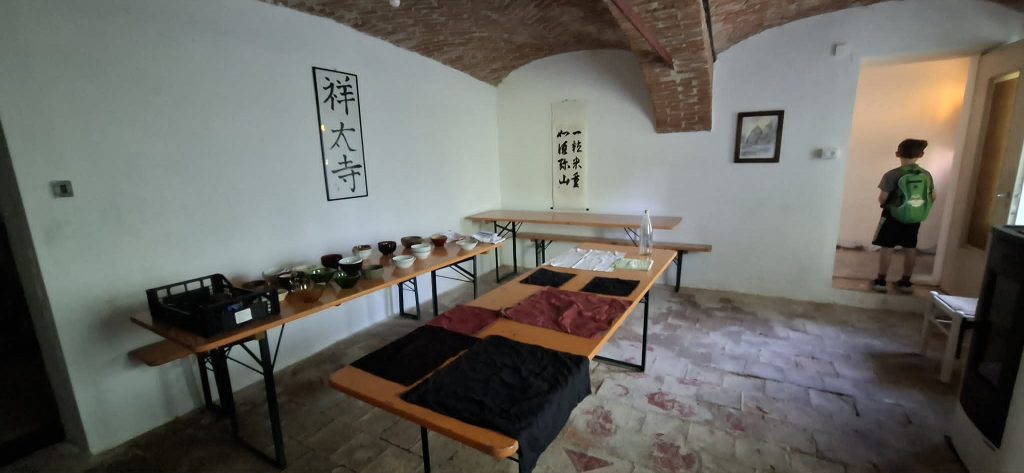
The second day began just after sunrise with an energetic asageiko held in the monastery courtyard. The morning practice was followed by a traditional silent breakfast in the zendo, consisting of rice and olives, allowing participants to continue cultivating mindfulness in everyday actions.
After breakfast, Ganto led a further meditation session, deepening the experience of stillness and awareness developed on the previous day.
The final Naginata session took place outdoors once again, surrounded by the natural beauty of the Langhe hills. During practice, participants were accompanied by the sight of a buzzard soaring overhead and several encounters with local wildlife, reinforcing the sense of connection with nature that characterized the entire weekend.
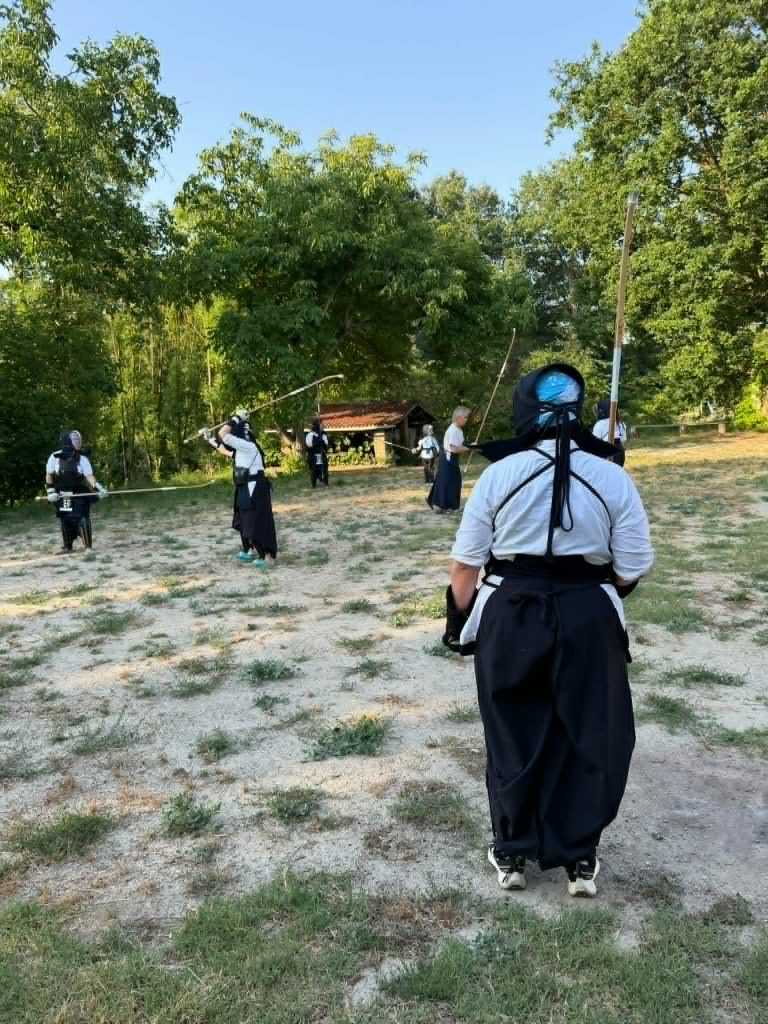
The event concluded after lunch with an open discussion, during which participants exchanged impressions, experiences, and reflections gathered throughout the two days.
A Promising Experiment
“Sōhei” was conceived as an experimental initiative, seeking common ground between the disciplines of Zen and Atarashii Naginata. The combination of meditation, awareness, martial practice, and immersion in nature created a unique environment for personal growth and mutual learning.
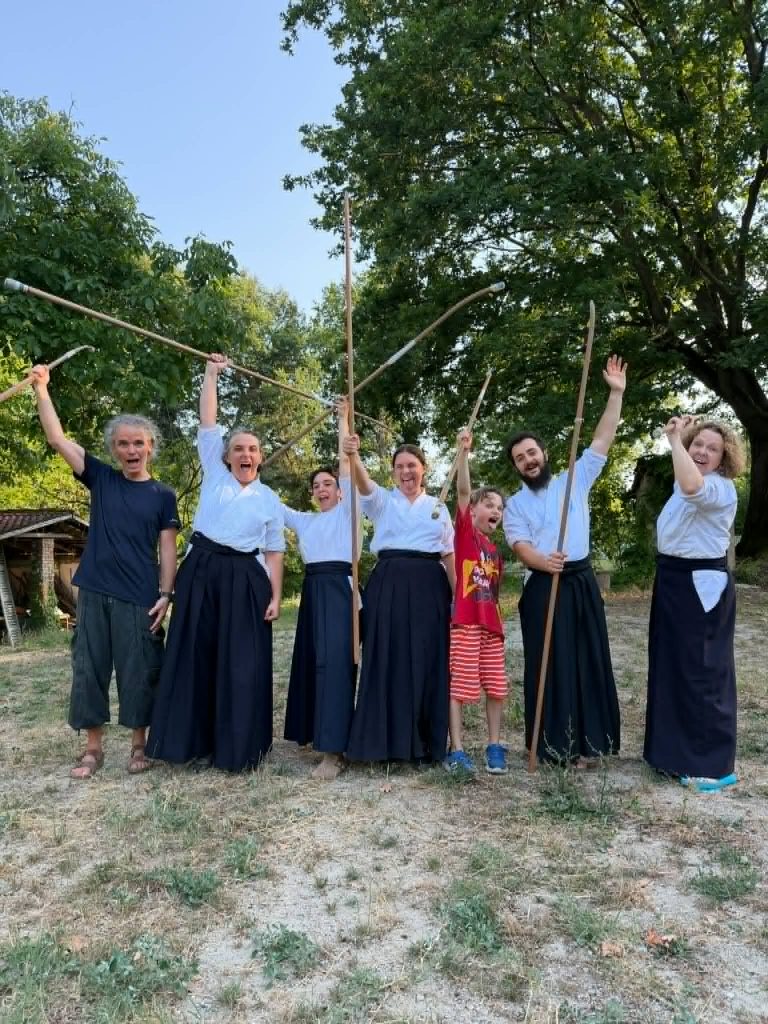
The positive feedback from all participants suggests that this first edition successfully demonstrated the value of integrating contemplative practice and budo training, opening the door to future editions and further exploration of the relationship between Zen and Naginata.
Here you can find a short video of this wonderful experience.