


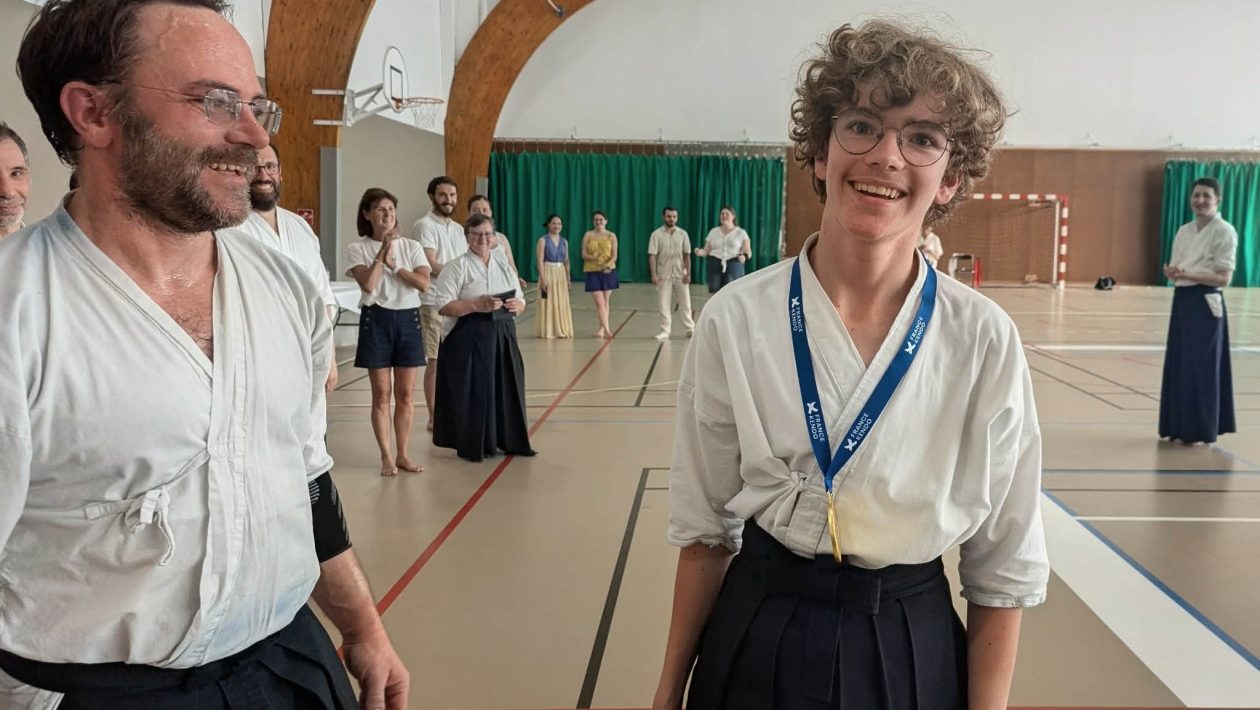
by Nathan Laurençon
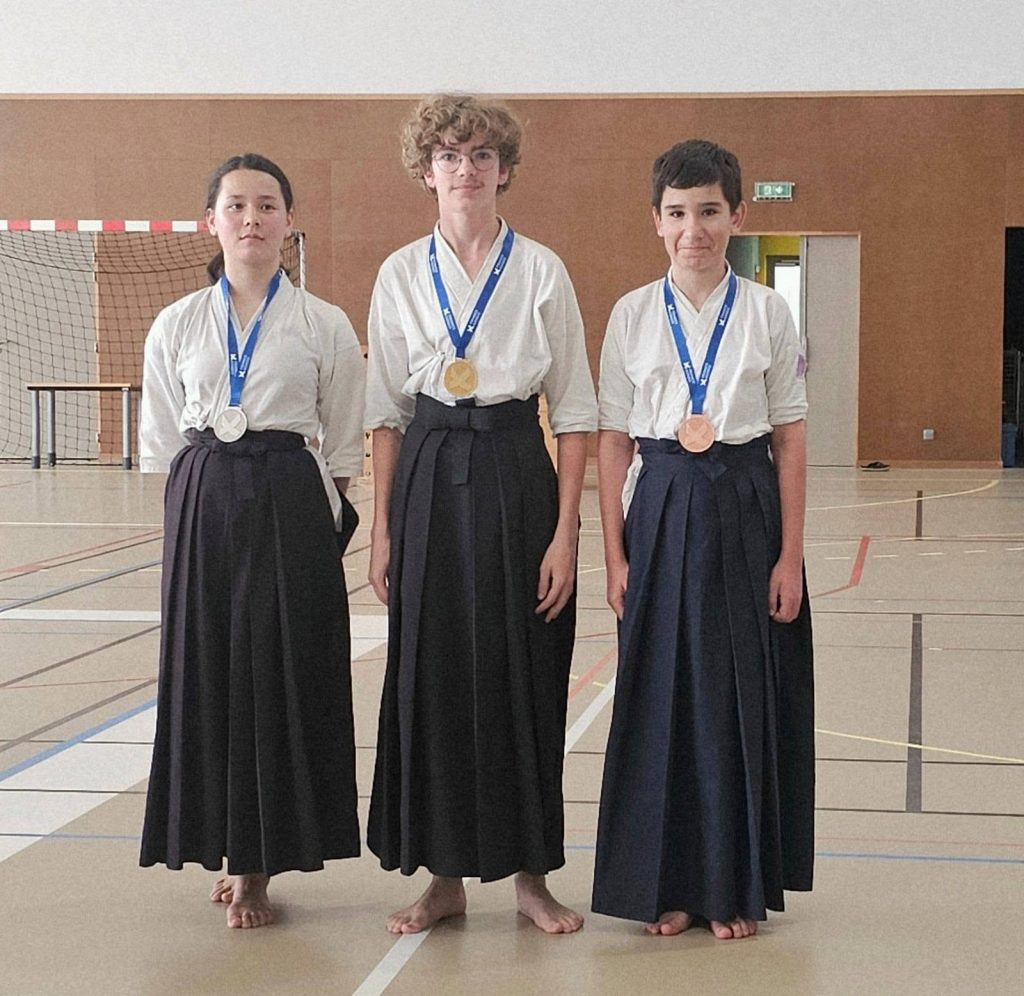
Hello, my name is Nathan Laurençon, son of Benoît Laurençon. I am 16 years old as I write this account of my experience at the 2026 French Youth Championships. First of all, I owe my discovery of and passion for Naginata to my father, as well as to the many kind and supportive people around me at the Saint-Germain-en-Laye and Rocquencourt clubs, where I train.
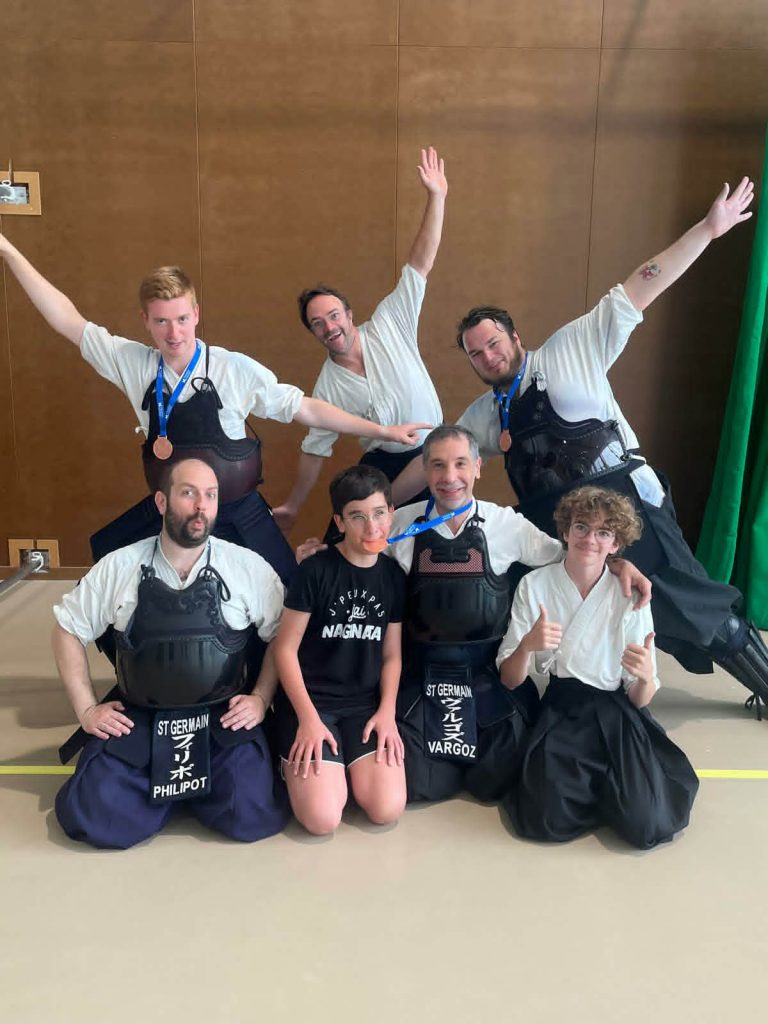
On the day of the competition, my minimum goal was to make it through the group stage without being eliminated. I was unsure whether my level was high enough to reach the final. My first matches were particularly stressful because of the composition of my group. I knew that Alicia was probably destined to reach the final, while Emma, a Rocquencourt practitioner, was someone I considered strong enough to beat me without too much difficulty. Finally, there was another Emma whose level I did not know.
A quick note: since I do not know all the surnames of the people mentioned in this article, I will refer to them by their first names only.
I will not dwell on the group stage, but I finished first in my group after a very close match against Alicia. I then faced Laura in the semi-final, someone I know very well since she also trains at both Saint-Germain-en-Laye and Rocquencourt. I barely had time to realize that I had finished first in my group before the match against Laura began.
It is worth mentioning that I am a fighter who scores many direct sune strikes, and my opponent knew that very well. As a result, the match was long and physically demanding. Although it was probably the least technically clean of my matches that day, I enjoyed it a great deal. I eventually won with a direct sune strike in overtime after both of us had become exhausted by the length of the bout.
The bronze-medal match gave me some time to recover. Then came the final, where I would face Alicia once again—the toughest opponent in my eyes.
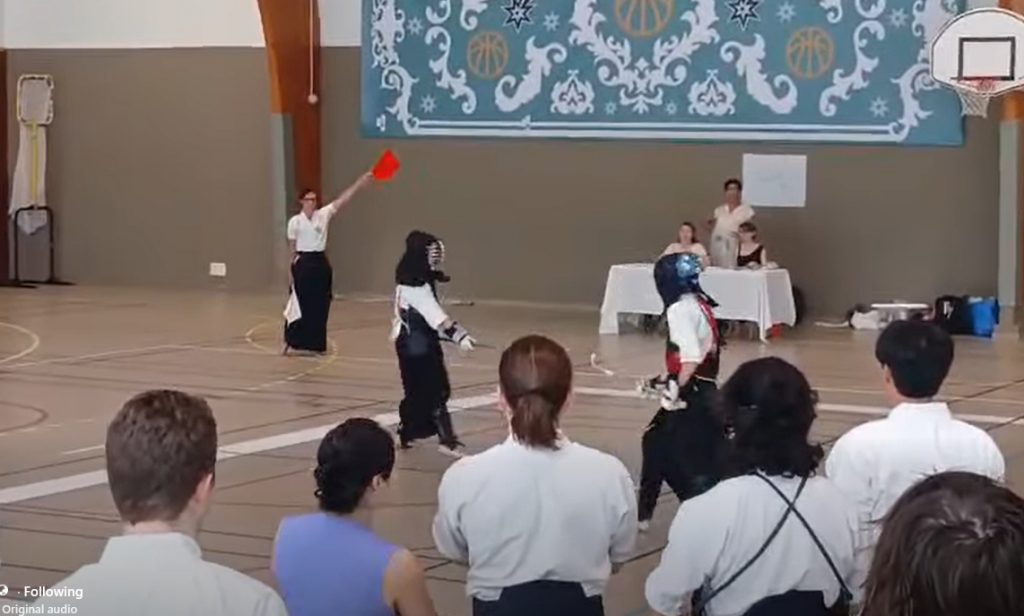
At the beginning of the final, I suffered a direct men strike that made me lose hope. Less than ten seconds later, I equalized with a direct sune strike that exploited a weakness. Alicia’s technique contains a vulnerability during the first two seconds of a match because she changes her guard position. If one advances aggressively at that moment, an opening appears.
The match eventually ended with a haso sune strike from me in overtime.
I owe this title to a combination of good fortune and the support of those around me. Nevertheless, this event gave me greater confidence in myself. It is important to try not to become arrogant, even though that can be a very human temptation.
I would also add that this competition highlighted the importance of the social aspect of sport. It allows people to clear their minds while making friends and sharing meaningful experiences.
This achievement is only the reflection of the dedicated and caring work of my teachers. Advancing alone in this kind of challenge serves little purpose.
For me, the final match was also a way of honoring the support of my sensei and sempai.
From my perspective, the final unfolded in two distinct phases. In the first, I relied on my usual style—somewhat average and risky—which cost me a direct men strike and a loss of confidence.
The second phase began when I realized that victory would only be possible if I applied the advice I had been given. To explain this, I need to go back in time.
At the end of a training session at the TUESG club in Saint-Germain-en-Laye, I asked who would be participating in the tournament. People mentioned Alicia, and in particular Tim, one of my sempai, pointed out a weakness during the first few seconds of a match. Alicia’s style is influenced by kendo, and she feels more comfortable in migi guard. As a result, she needs to change her guard position at the start of the bout. This creates a brief opportunity: one can charge forward without much fear of being struck because she is occupied with changing guards.
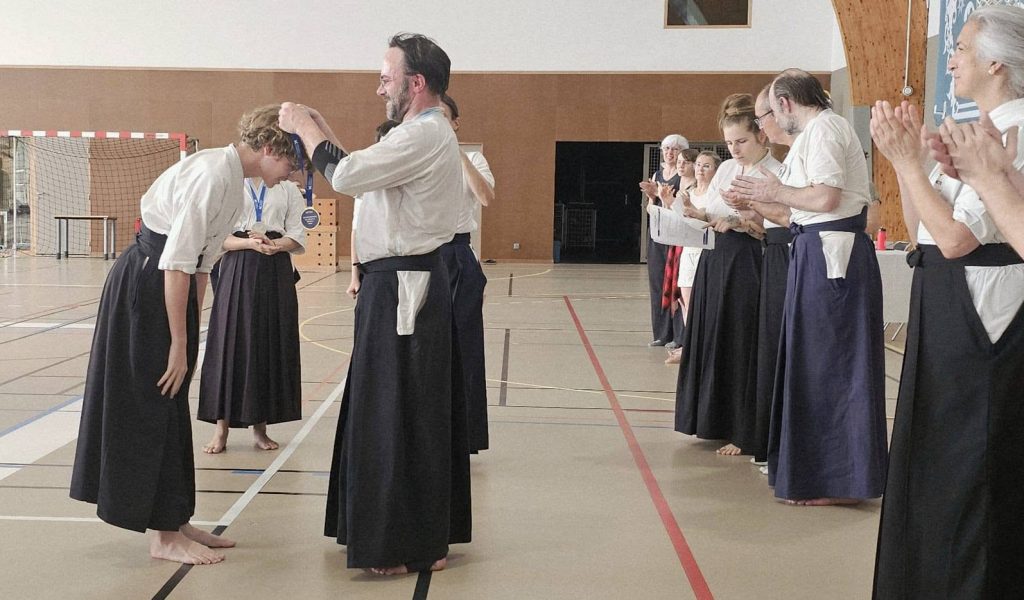
Back in the final, after being reminded of this weakness by my father just before the match, I seized the opportunity and scored a direct sune strike within two seconds of the referee’s “Hajime!”
What followed was a long exchange that left me even more exhausted than my opponent. As a last hope, I attempted a haso sune attack—a weak point in my technique because I am usually too slow to execute it safely. This time, however, I managed to score.
The relief was immediate.
At that very moment, I saw my father jump with joy.